Quick answer
Garage door spring replacement typically costs $150 to $350, parts and labor included, with most homeowners paying around $250. Extension springs sit at the low end, around $50 to $100 per spring installed. Torsion springs run about $150 to $350, and a heavy double door with two high-cycle springs can reach $450. Converting from extension to torsion springs costs $400 to $800.
Seven factors decide where your price lands: the spring type, how many springs you have, your door’s size and weight, the spring’s cycle rating, any extra parts damaged by the break, when you need the work done, and whether your door uses a special or outdated spring system. Below, we break down how much each one adds, based on the spring calls we handle across Rockton and the surrounding area.
Key takeaways
- Most spring replacements cost $150 to $350; the national average is about $250.
- Torsion springs cost more upfront than extension springs but typically last longer and are safer when they break.
- On a two-spring door, replacing both at once is cheaper than paying for a second visit when the other spring fails.
- High-cycle springs add $50 to $150 upfront but can double or triple the spring’s life.
- A broken spring often damages cables or rollers, and those parts add to the bill.
- Spring replacement is never a DIY job. The springs hold enough tension to cause serious injury.
If your spring just broke and you’re in our service area, our garage door spring replacement in Rockton, IL page explains how we handle local calls, and our garage door repair team can check the rest of the door while we’re there.
1. Spring type (torsion or extension): $50 to $350
Torsion vs. extension spring replacement cost
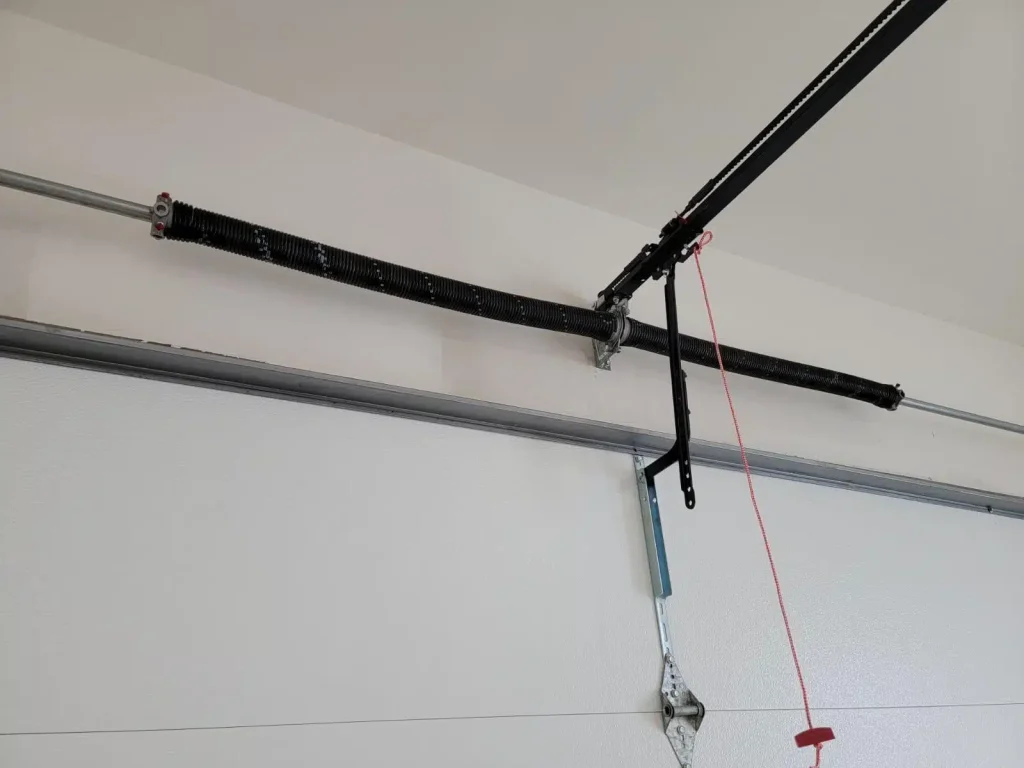
Extension springs usually cost $50 to $100 per spring installed. Torsion spring replacement typically runs $150 to $350. The type of spring your door already has is the single biggest driver of your price.
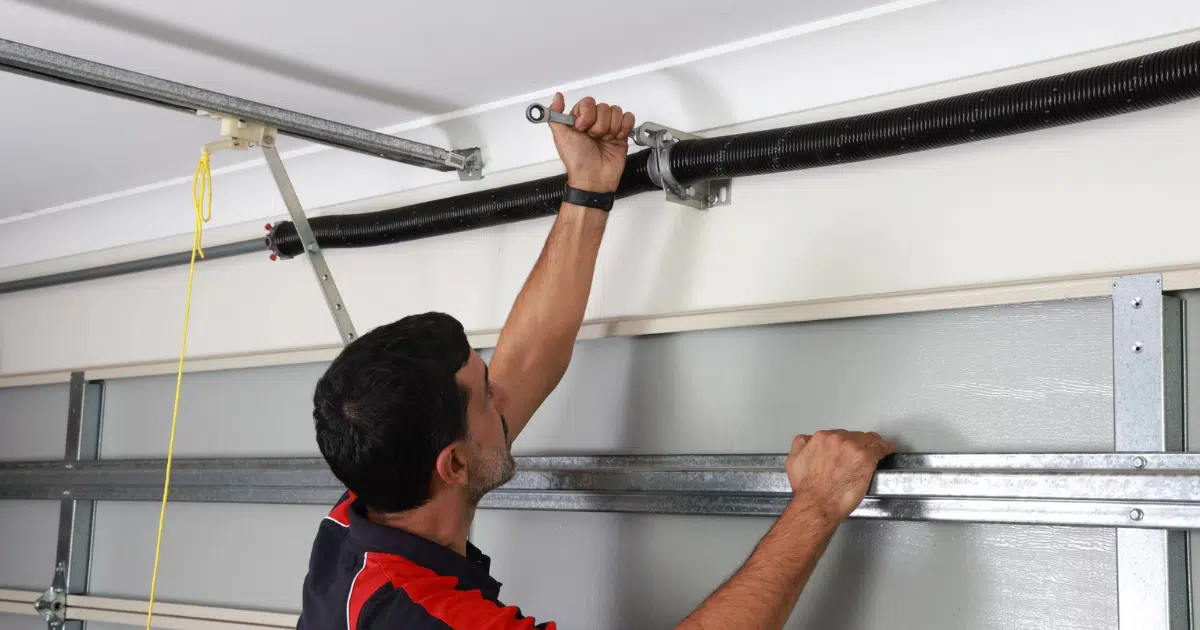
How to tell which you have: Torsion springs are mounted on a steel bar directly above the closed door. Extension springs run along the horizontal tracks on each side of the door and stretch as the door closes.
Why torsion costs more: Torsion springs are heavier-gauge steel, and replacing them means unwinding and rewinding the spring with winding bars, then rebalancing the door. That takes more skill and time. In exchange, torsion springs usually last longer, run the door more smoothly, and stay on the shaft when they break.
Why extension springs are cheaper but not always better: The parts are less expensive and the job is simpler. But when an extension spring snaps without a safety cable running through it, the broken spring can whip across the garage. Extension springs also tend to wear out sooner.
What we recommend: Replace the spring type your door was built for, unless the old system has other problems (see factor 7). Our broken spring replacement service covers both torsion and extension systems.
2. Number of springs: adds about $75 to $150
Should you replace both garage door springs at once?
Replacing a second spring at the same visit typically adds about $75 to $150, which is far less than a separate service call later. Most double-car doors and many heavier single doors use two torsion springs. Extension systems always use two, one on each side.
Why replace both: The two springs went into service on the same day and have carried the door the same number of times. When one breaks, the other is close behind. In our experience, a homeowner who replaces only the broken spring often calls back within months for the second one, and pays for a second trip.
Balance matters too: A brand-new spring paired with a worn one can pull unevenly. That makes the door harder to balance and puts extra strain on the opener.
When one spring is fine: If your door was built with a single torsion spring, there’s only one to replace. A technician will confirm your setup before quoting.
3. Door size and weight: adds $15 to $100 or more
How door weight changes garage door spring cost
Springs for a heavy or oversized door cost more than springs for a standard single-car door. Double-door springs typically add $15 to $30 per spring, and very heavy doors can add $100 or more to the total.
Why weight matters: Each spring is sized to the exact weight of your door, by wire thickness, length, and diameter. A 16-foot insulated steel door or a wood carriage-house door needs thicker, longer springs than a basic 8-foot steel door. Heavier springs cost more and take longer to wind.
Typical examples: A standard single-car door (about 8 or 9 feet wide) sits at the low end. A double-car door (16 feet wide) sits in the middle. A heavy insulated, wood, or oversized door sits at the top of the range, often $300 to $450 for a pair. Our guide to how wide a single garage door is helps you confirm your size.
Watch for a bigger problem: If your door is heavy because it’s old, waterlogged, or has damaged sections, a spring replacement may only buy time. Read How Much Does It Cost to Replace a Garage Door Panel? 6 Signs One Panel Is Enough to decide whether a section repair makes sense, or compare the 2-car garage door replacement cost if the whole door is worn out.
Commercial overhead doors use much larger springs and are priced separately. Our commercial door service team handles those.
4. Spring quality and cycle rating: adds $50 to $150
Are high-cycle garage door springs worth the cost?
Upgrading to high-cycle springs typically adds $50 to $150 to the job, and for busy households it usually pays for itself. Standard springs are commonly rated for about 10,000 cycles, where one cycle is one full open and close. High-cycle springs are rated for 20,000 to 50,000 cycles.
Do the math for your household: If your family opens and closes the door four times a day, that’s roughly 1,460 cycles a year. A 10,000-cycle spring lasts about seven years. A 25,000-cycle spring could last well over a decade, which means one replacement instead of two or three.
Signs your current springs are wearing out: The door feels heavy when lifted by hand, it rises slowly, or it won’t stay put halfway open. Our post on why a garage door opens slowly even after lubrication covers this symptom in detail.
Matching the spring to the door: Door manufacturers such as Clopay garage doors list the model and serial number on a label inside the door, which helps a technician confirm the door’s weight and choose the correct spring.
Make any spring last longer: A yearly garage door tune-up in Rockton, IL includes lubricating and checking the springs, and our list of the best garage door maintenance habits covers what you can do between visits.
5. Extra parts damaged by the break: adds $75 to $300
What else breaks when a garage door spring snaps?
A broken spring often damages other parts, and those repairs typically add $75 to $300 to the bill. Replacing a pair of lift cables usually adds $75 to $200. Worn drums, bearings, or rollers add more depending on how many need replacing.
Cables: When a spring lets go, the sudden loss of tension can fray a cable or knock it off its drum. If the cables are rusted or frayed, replacing them during the spring job costs far less than a separate visit.
Rollers and track: A door that drops or jerks when a spring breaks can push rollers out of the track. Our guides on replacing garage door rollers and how to fix a garage door that’s off track explain those repairs.
The opener: This is the most avoidable extra cost. Running the opener with a broken spring forces the motor to lift the full weight of the door, which can strip its drive gear. If that’s already happened, our garage door opener team can repair or replace it during the same visit. For opener prices, see How Much Does Garage Door Opener Repair Cost? 8 Problems and When to Replace Instead.
After any spring repair: Test the opener’s auto-reverse feature. The U.S. Consumer Product Safety Commission recommends checking it monthly by placing a 2×4 board flat in the door’s path. The door should reverse when it touches the board.
For typical prices on every other common repair, read How Much Does Garage Door Repair Cost? 10 Common Repairs and What You’ll Pay.
6. Emergency vs. scheduled service: adds about $75 to $150
How much does emergency garage door spring repair cost?
After-hours, weekend, and holiday spring repairs typically add about $75 to $150 to the standard price. A scheduled weekday visit is the cheapest option.
When to pay for emergency service: If the door is stuck open and your home isn’t secure, or your car is trapped inside and you need it, same-day service is worth the extra cost. Our emergency garage door repair team handles these calls.
When it can wait: If the door is closed and the house is secure, a next-business-day appointment saves money. Most spring replacements take about one to two hours once the technician arrives; our post on how long it takes to fix a garage door gives typical timeframes for other repairs.
What not to do while you wait: Don’t try to lift the door by hand or with the opener. Our guide to opening a garage door manually explains the emergency release, but that method is only safe when the springs are intact. With a broken spring, the door can weigh several hundred pounds and drop without warning.
7. Special spring systems and conversions: $400 to $800
How much does it cost to convert extension springs to torsion springs?
Converting from extension springs to a torsion system typically costs $400 to $800, parts and labor included. The conversion adds a torsion shaft, drums, cables, bearings, and new springs, so it costs more than a standard replacement.
When a conversion makes sense: If your extension springs keep breaking, the door slams or jerks, or the old pulleys and cables are worn, converting during the repair can save money over the next decade. Torsion systems typically last longer and are easier on the opener.
When it doesn’t: Torsion springs need roughly 10 to 12 inches of clear space above the door. In low-headroom garages, well-maintained extension springs with safety cables may be the practical choice. The Door & Access Systems Manufacturers Association’s safety tips note that every extension spring should have a safety cable running through it, so the spring can’t fly loose if it breaks.
Older and specialty systems: Some doors use proprietary spring systems that are harder to service, and older one-piece up-and-over doors have their own spring setups. Our post on why an up-and-over garage door has dropped covers that style. If the door itself is near the end of its life, putting the money toward a new garage door installation with a modern torsion system can be the better long-term value.
Garage door spring replacement cost at a glance
A standard torsion spring job on a single-car door lands around $150 to $250; most other scenarios add to that base.
Scenario | Typical cost |
Extension springs, per spring installed | $50 to $100 |
Single torsion spring, standard single-car door | $150 to $250 |
Pair of torsion springs, double-car door | $250 to $350 |
Pair of springs, heavy insulated, wood, or oversized door | $300 to $450 |
High-cycle spring upgrade | Adds $50 to $150 |
Lift cables replaced during the spring job | Adds $75 to $200 |
After-hours or weekend service | Adds about $75 to $150 |
Extension-to-torsion conversion | $400 to $800 |
Torsion vs. extension springs: DIY or call a pro?
Neither spring type is safe to replace yourself; the difference is in cost, lifespan, and how they fail.
Torsion springs | Extension springs | |
Typical replacement cost | $150 to $350 | $50 to $100 per spring |
Typical lifespan | About 8 to 15 years | About 7 to 12 years |
Where they’re mounted | On a bar above the closed door | Along the side tracks |
What happens when one breaks | Stays on the shaft, loud bang | Can fly loose without a safety cable |
Ease on the opener | Smoother, more balanced lift | Less even, more strain over time |
DIY-safe? | No, requires winding bars and training | No, cables and brackets are under tension |
Get a clear spring replacement quote before work starts
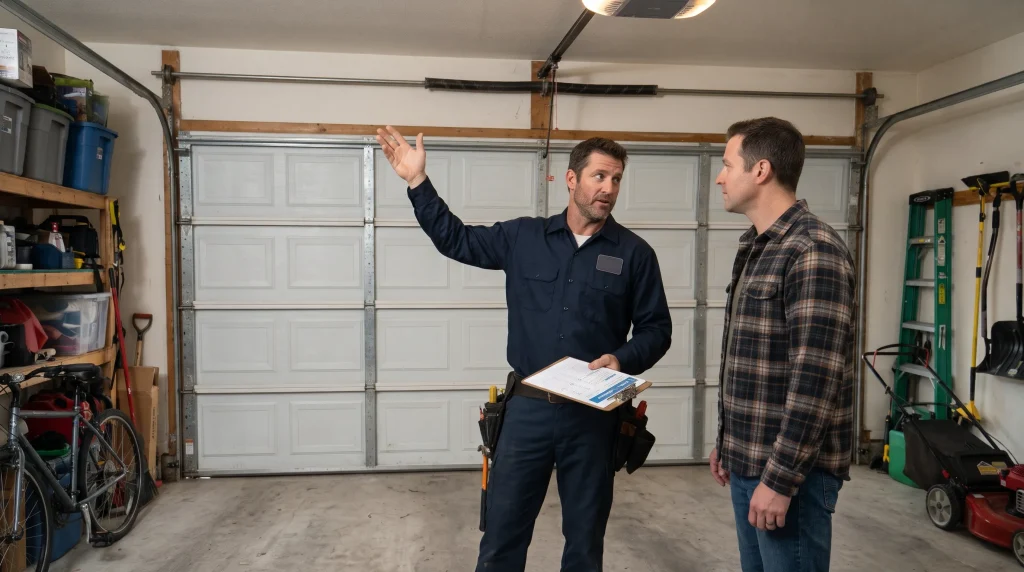
Most garage door spring replacements cost $150 to $350, and the seven factors above explain why your quote may land higher or lower. Spring type and door weight set the base price. A second spring, high-cycle upgrades, damaged cables, and after-hours timing add to it.
Whoever you call, ask for a written quote that lists the spring type, cycle rating, and any extra parts before work begins. The Illinois Attorney General’s guidance on hiring for home repairs explains your rights and how to avoid door-to-door repair scams, which often appear after big storms.
Rock River Door Company replaces torsion and extension springs for homeowners in Rockton, Roscoe, South Beloit, Rockford, Beloit, and the surrounding communities, with upfront pricing and licensed technicians. If your spring just snapped, don’t wait with a door that can’t be trusted. Contact us for a free quote or same-day spring replacement.